.png)
Creating a Cozy Armchair Travel Experience: Ireland

There’s a certain kind of travel that doesn’t require flights, passports, or packing lists. It happens slowly, quietly, in the spaces we already live in when we choose to see them differently.
A blanket gets pulled a little closer. A warm drink settles into your hands. A book opens. And suddenly, the room you’ve always known feels slightly unfamiliar—in the best way.
This is armchair travel.
It isn’t about replacing real travel or pretending to leave home. It’s about layering story, atmosphere, and imagination over everyday life until something new starts to form.
And few places lend themselves to that feeling quite like Ireland.
Ireland is naturally atmospheric. It’s shaped by weather, land, and memory. It’s soft rain against windows, winding roads through green hills, small towns that feel timeless, and a culture deeply rooted in storytelling. It already feels like a narrative before you even add books or visuals.
So instead of trying to recreate Ireland exactly, we build it gently around us through mood, sound, food, visuals, and stories that are actually set there.
Setting the Atmosphere: Building Ireland in Your Space

Armchair travel begins with atmosphere—not imitation, but evocation.
You’re not trying to turn your home into Ireland. You’re trying to create a feeling that matches it.
Start with lighting. Soft lamps instead of overhead brightness work best. Candlelight adds warmth and a slightly pub-like glow. Natural light also works beautifully, especially on overcast days, which somehow feel more aligned with Ireland than anything overly bright ever could.
Then comes texture. Wool blankets, knit throws, soft sweaters, anything slightly heavy and comforting. A mug that feels grounding in your hands. A space that feels lived in rather than styled.
Sound is what really shifts everything.
Irish folk music creates instant atmosphere—fiddle, guitar, tin whistle, slow and steady rhythms. Rain ambience layered with wind adds depth. Even soft pub background noise—low conversation, occasional laughter—can subtly transport you.
If you want a visual entry point before you begin, this is where something like a Rick Steves introduction to Ireland fits naturally. It’s not about watching for information—it’s about easing into the feeling of the place before you start imagining it through books.
From here, everything begins to slow down.
Understanding Ireland as a Feeling
Before books or visuals or food, it helps to understand what Ireland feels like in storytelling form.
Ireland isn’t loud or overly polished. It’s layered.
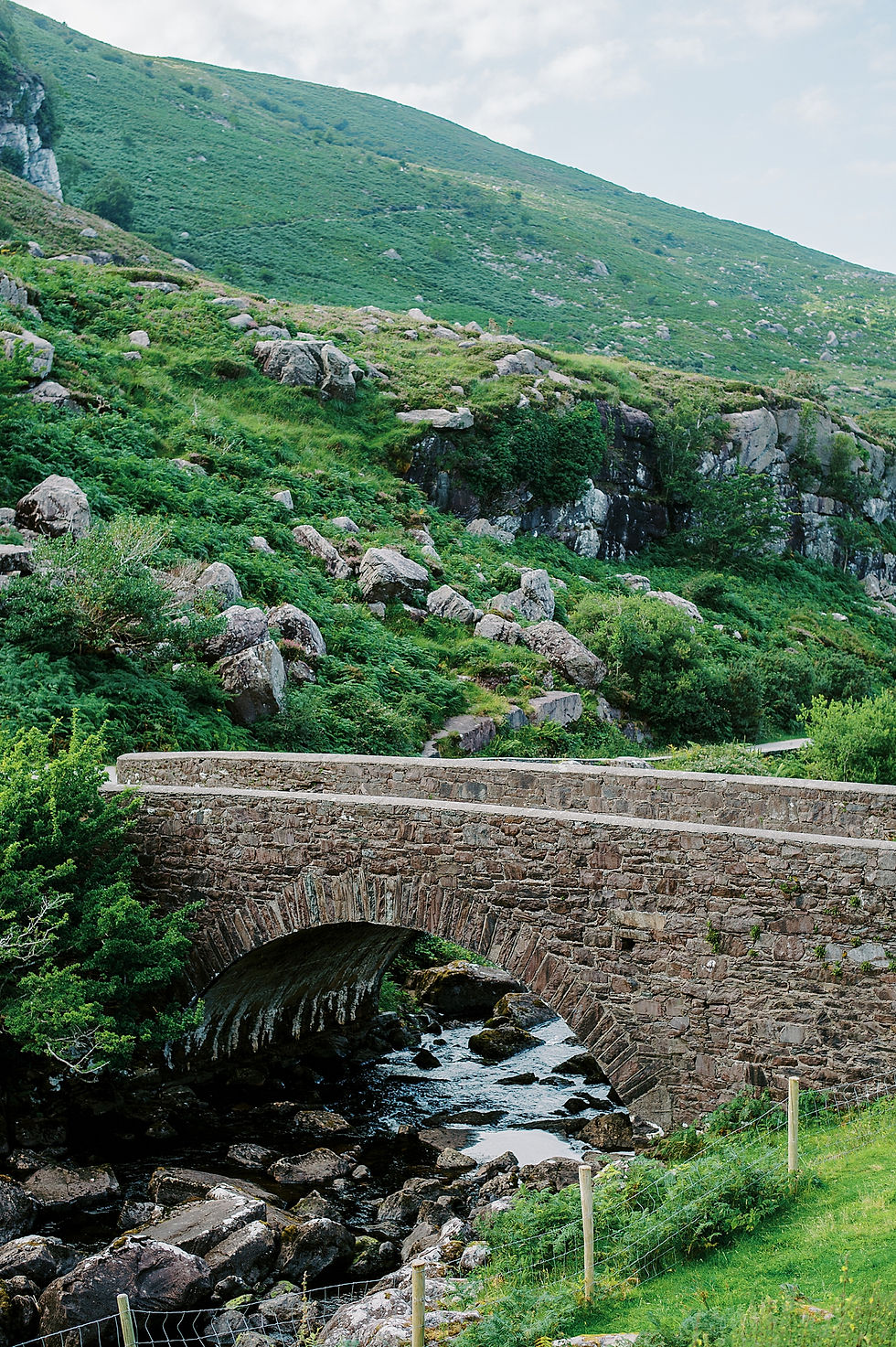
It feels like:
Conversations that unfold slowly
Landscapes that don’t demand attention but hold it deeply
Weather that shapes mood and memory
History sitting quietly under the present moment
Even if you’ve never been there, Ireland often feels familiar—like something remembered through stories rather than directly experienced.
That emotional familiarity is what makes it perfect for armchair travel. You’re not building something new. You’re stepping into something that already feels like it exists.
Reading Ireland: Stories Rooted in Place, Voice, and Memory
Books are where armchair travel becomes real. For Ireland, the key is staying rooted in stories actually set there—where the land, culture, and history actively shape the narrative.
Each book becomes a different lens on the same place.
Contemporary Ireland: Travel, Movement, and Discovery
A natural entry point is:
Love & Luck
This story captures Ireland through movement—train rides, small towns, unexpected detours, and emotional discovery shaped by travel.
It works so well for armchair travel because:
Ireland is actively explored rather than static
The setting shifts with the journey
Romance and self-discovery are intertwined with place
It feels like experiencing Ireland in real time
This is your “arrival” book—the one that eases you into the country gently.
Modern Irish Life: Quiet, Intimate Storytelling
Then the tone shifts into something more grounded and reflective:
Normal People
This novel captures modern Ireland through small towns, university life, and deeply intimate emotional storytelling.
Why it belongs here:
Strong sense of real Irish settings
Everyday life is the focus, not spectacle
Emotional realism mirrors real relationships
Ireland feels lived-in and present throughout
This is the “everyday Ireland” layer—the quiet middle of the experience.
Classic Ireland: Voice, Fragment, and Cultural Memory
Then you move into something more literary and historical:
Dubliners
This collection of short stories offers fragmented snapshots of Dublin life in the early 20th century.
It adds:
A strong sense of place through everyday detail
Cultural and historical grounding
A shifting perspective of the same city
A feeling of walking through time as well as space
This is Ireland as memory and structure rather than narrative arc.
Literary Ireland: Atmosphere, Pressure, and Place
Finally, a more atmospheric and intense perspective:
Milkman
Set in a tense, unnamed Irish environment often associated with Northern Ireland, this novel is deeply rooted in social pressure and psychological atmosphere.
Why it fits:
Place shapes tension and behaviour
The writing creates a strong sense of immersion
Ireland feels both specific and surreal
Atmosphere matters more than plot
This is the most textured, immersive layer—the one that lingers after reading.
Building Your Ireland Reading Flow
Instead of thinking of these as separate books, think of them as movement through different versions of the same place:
You start with travel and movement in Love & Luck,
shift into everyday life in Normal People,
step into historical fragments in Dubliners,
and end in atmospheric intensity with Milkman.
Together, they create a complete emotional map of Ireland:
modern, everyday, historical, and psychological.
Taste of Ireland: Bringing the Experience Into Your Kitchen
Food helps anchor everything in something physical.
Irish food is simple, warm, and comforting rather than complex or decorative.
Think:
Soda bread with butter
Strong black tea
Cheddar cheese and crackers
Potato soup or slow, hearty stews
Nothing needs to be elaborate. The point is warmth and rhythm.
A drink between chapters. A snack during a quiet scene. Something warm always nearby.
Visual Travel: Seeing Ireland in Layers
This is where travel footage naturally fits in.
Short visual breaks help deepen the experience without pulling you out of it.
📍 Rick Steves Ireland content fits perfectly here—especially:
Dublin walking tours
Countryside episodes
Wild Atlantic Way segments
Instead of watching like a documentary, think of it as stepping outside the book for a moment, then returning.
Other visuals:
Cliffs of Moher
Coastal drives
Small villages
Castles and ruins
Everything works best in small, intentional pieces.
Sound: The Invisible Layer of Ireland
Sound ties everything together without demanding attention.
Folk music during reading
Ambient rain or wind during breaks
Silence during reflective moments
Ireland’s atmosphere is never static—it shifts gently, and your soundscape can do the same.
Slow Travel Mindset: The Core of It All
If there’s one thing that defines armchair travel, it’s pace.
Ireland is not rushed. Your experience shouldn’t be either.
Let yourself:
Pause mid-chapter
Rewatch scenes
Sit with passages longer than usual
Move slowly between elements
This is where the experience stops being aesthetic and becomes immersive.
Bringing It All Together: Your Ireland Ritual

A simple flow you can return to:
Start with atmosphere.
Add sound.
Ease in with visuals.
Begin reading your Ireland-set books.
Pause for food, breaks, or short videos.
Move slowly between stories and moments.
Over time, it stops feeling like separate pieces and starts feeling like a place you return to.
Why Ireland Works So Well for Armchair Travel
Ireland works because it already feels like a story.
Even without visiting, it carries emotional familiarity—like something you’ve experienced in fragments through books, film, and quiet cultural moments. It feels lived-in, remembered, and imagined all at once.
That’s what makes it so powerful for armchair travel. You’re not trying to recreate Ireland perfectly or replicate a real itinerary. You’re allowing it to exist alongside your everyday life in a softer, more flexible way.
Through Love & Luck, you step into Ireland through movement and discovery. Through Normal People, you experience its quiet, modern emotional landscape. Through Dubliners, you see its history and everyday life in fragmented snapshots. And through Milkman, you feel its atmosphere in a more intense, psychological way.
Each one adds a different layer. Together, they create something that feels complete—not as a checklist of books, but as a lived experience of place through story.
And that’s really the heart of armchair travel.
It’s not about escaping your life. It’s about expanding it gently.
One book at a time. One scene at a time. One slow afternoon at a time.
Ireland becomes less of a destination and more of a feeling you can return to whenever you need it.
A quiet kind of travel that’s always available to you, no matter where you are.
If this inspired you to create your own Ireland armchair travel experience, I’d love for you to try it in your own way—layering books, atmosphere, and small cozy rituals that feel personal to you.
And if you enjoy this kind of slow, immersive travel-style reading, there’s more coming soon as we explore different destinations through the same cozy lens.

✨ May your heart stay warm, your pages stay full, and I’ll meet you in the next chapter.


Comments