.png)
How I Balance Reading and Other Hobbies (When Life Gets Busy): Practical Tips from My Busy Season


There are seasons of life where everything feels slower—where your evenings are open, your weekends feel spacious, and you can sit down with a book or a creative project without checking the clock.
And then there are seasons where everything feels full.
For me, that season is March through June.
Working in an accounting office means this time of year is busy in a way that’s hard to explain unless you’ve experienced it. The days are longer, the workload is heavier, and mentally, it takes a lot more out of me. By the time I get home, I’m not just physically tired—I’m mentally done.
And in those moments, the things I love—reading, crafting, painting, even the idea of sitting down to create something—start to feel harder to reach.
Not because I don’t care about them anymore, but because life is simply asking more of me in other areas.
For a long time, I struggled with this balance. I felt like I was constantly choosing between responsibilities and the things that made me feel like myself. If I wasn’t reading as much, I felt off. If I wasn’t creating anything, I felt disconnected.
But over time, I’ve learned something that changed everything:
Balancing reading and hobbies isn’t about finding more time—it’s about learning how to work with the season you’re in.
So if life feels overwhelming right now, and you’re wondering how to hold onto your hobbies without burning out, here’s what’s been helping me—both practically and personally.
1. Adjust Your Expectations for the Season You’re In
One of the hardest lessons I’ve had to learn is that I can’t expect my busy season to look like my slow season.
And yet, I used to try anyway.
I would go into March thinking I could:
keep up my usual reading pace
stay consistent with creative projects
and somehow maintain the same routines I had in quieter months
And every single time, I’d end up feeling behind—like I was doing something wrong, even though realistically, I just had less capacity.
Now, I approach it differently.
Instead of asking, “How do I keep doing everything?”
I ask, “What’s realistic right now?”
Sometimes that means:
my reading slows down
my hobbies become less frequent
or certain things pause entirely

For example, I love building Lego—but right now, I don’t even have the space to start a new set. And instead of forcing it or feeling guilty, I’ve just accepted that it’s not a “right now” hobby.
And honestly, this shift didn’t just help my schedule—it helped my mindset.
Because once you stop expecting yourself to operate at full capacity all the time, you create space for your life to feel manageable again.
2. Prioritize What Keeps You Grounded
When everything feels busy, you don’t need more things on your plate—you need the right things.
For me, reading is one of those things.
Even during my busiest weeks, reading gives me something steady to come back to. It’s quiet, it’s familiar, and it doesn’t ask anything from me other than to be present.
So instead of trying to keep all my hobbies active, I focus on:
keeping reading consistent
staying lightly connected to creativity
That might not sound like much, but during busy season, it’s enough to keep me feeling like myself.
Painting, for example, is something I want to get back into this year—but right now, it’s more in the inspiration phase. I’ll scroll Pinterest, save ideas, and slowly build up that creative energy again.
And I’ve learned that this still counts.
Because staying connected—even in a small, quiet way—makes it so much easier to come back to fully when life slows down again.
3. Build “Anchor Habits” That Fit Into Your Real Life
When life gets unpredictable, routines can fall apart quickly. That’s why I rely less on strict schedules and more on what I think of as anchor habits.
These are small, consistent moments that naturally exist in your day—things you’re already doing, just with a little intention added.
For me, reading fits into two anchors:
Lunchtime
This is my ideal reading time. It doesn’t always happen—especially in April when things are at their peak—but when it does, it gives me a quiet reset in the middle of the day.
Even just stepping away from my desk and focusing on something completely different helps clear my mind.
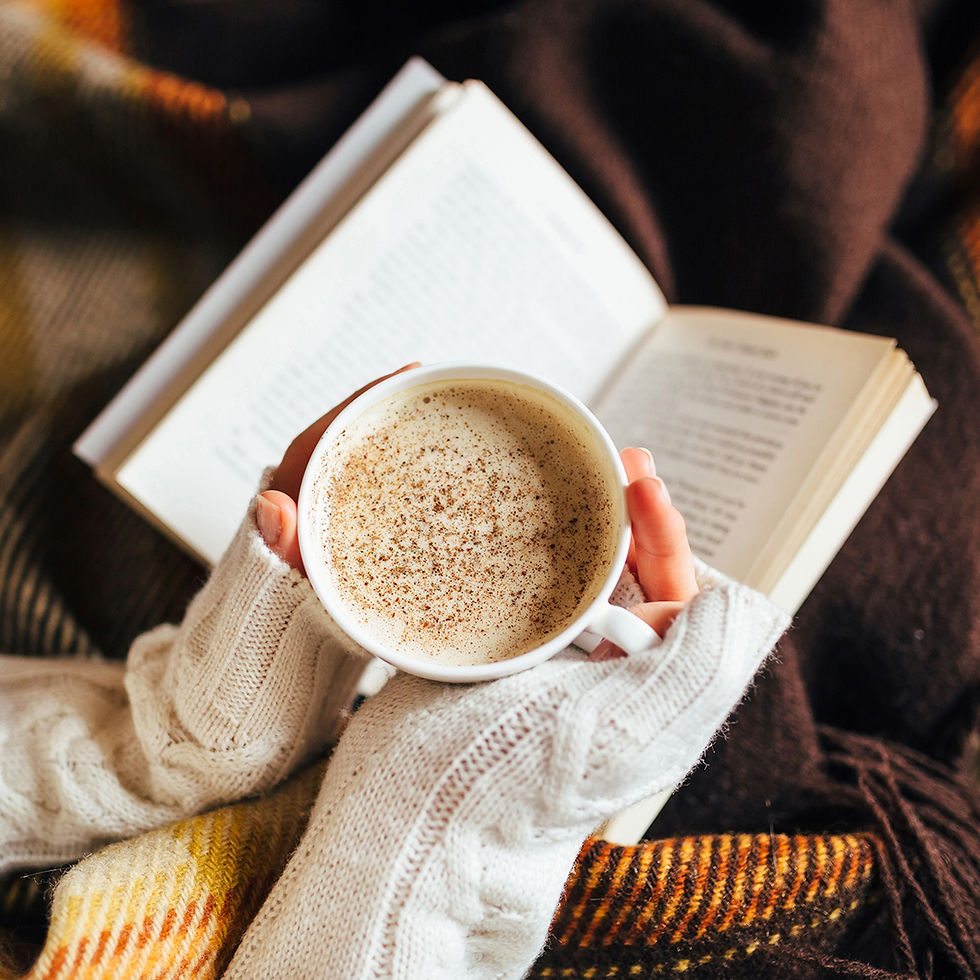
Before bed
This is my most consistent habit. No matter how busy the day has been, I try to read at least a chapter or two before going to sleep.
And some nights? It’s only a few pages.
But I’ve stopped dismissing that as “not enough,” because those small moments are what keep the habit alive.
If you’re trying to make reading part of your routine, don’t build your day around reading—fit reading into the parts of your day that already exist.
4. Make Your Hobbies Easy to Return To
One thing I’ve noticed about busy seasons is that the hardest part of any hobby is simply starting.
If something feels complicated, time-consuming, or inconvenient, I’m far less likely to reach for it—especially after a long day.
That’s why I’ve started focusing on making my hobbies as easy to return to as possible.
For reading, that means:
keeping my Kindle with me on weekends
having a book within arm’s reach at home
not overcomplicating what I’m reading or when
There have been so many moments where I’m waiting for something—sitting in the car, standing in line, or just having a quiet 10 minutes—and instead of defaulting to my phone, I’ll open my Kindle.
Those small choices have made a huge difference.
The same idea applies to creativity too.
Even if I’m not actively painting, I’ll still engage with it in smaller ways—saving ideas, exploring colour palettes, or just letting myself get inspired without pressure to create something finished.
Because the easier it is to start, the more likely you are to actually do it.
5. Use Small Pockets of Time Without Overthinking Them
I used to believe that if I didn’t have a full hour, it wasn’t worth starting.
Now, I see things completely differently.

Some of my most consistent reading happens in:
10-minute windows
short breaks during the day
quiet moments before bed
And while those moments might feel small on their own, they build into something meaningful over time.
The same goes for creativity.
Right now, my version of being creative might not look like finishing a painting—but it does look like:
saving ideas on Pinterest
experimenting with small designs
thinking about what I want to create next
And that still keeps me connected to that part of myself.
When you stop waiting for the “perfect” amount of time, you start using the time you already have—and that’s where real consistency comes from.
6. Redefine What Progress Looks Like
It’s really easy to measure progress by big outcomes—finished books, completed projects, visible results.
But during busy seasons, progress becomes much quieter.
For me, progress has looked like:
reading a few pages before bed
picking up my book even when I’m tired
staying engaged with creativity, even in small ways
There have been weeks where I didn’t finish a single book—but I still showed up to read.
And that matters.
Because progress isn’t just about finishing—it’s about continuing.
When you shift your focus from outcomes to consistency, your hobbies start to feel supportive again instead of stressful.
7. Let Your Hobbies Be Seasonal (Without Guilt)
This is something I wish I had embraced sooner.
Not every hobby needs to exist in every season of your life.
Right now:
Lego is on pause because I don’t have the space
painting is in the inspiration stage
crafting comes and goes depending on my energy

And instead of seeing that as inconsistency, I’ve started seeing it as balance.
Because forcing every hobby to stay active all the time isn’t realistic—it’s exhausting.
Hobbies are meant to fit into your life, not compete with it.
And the truth is, the ones you love will always come back around when you’re ready for them again.
8. Create Low-Energy Versions of Your Hobbies
There’s a big difference between having time and having energy.
And during busy season, energy is usually the first thing to go.
So instead of expecting myself to show up fully, I’ve started creating low-energy versions of the things I enjoy.
For example:
choosing lighter, easier books when I’m tired
browsing Pinterest instead of starting a full project
opening Cricut Design Space just to play around with ideas
These smaller, softer versions of my hobbies allow me to stay connected without feeling drained.
And more often than not, they’re what keep me coming back the next day.
9. Plan for Flexibility, Not Perfection
If I’ve learned anything from busy season, it’s that perfectly planned routines rarely survive real life.
Unexpected things come up. Days run longer than expected. Energy levels change.
So instead of planning everything out in detail, I keep things intentionally flexible.
I’ll set gentle goals like:
“I want to read today”
“I’d like to do something creative this week”
And then I let my day decide when that happens.
This approach has made it so much easier to follow through—because I’m not constantly feeling like I’ve failed if something doesn’t go exactly as planned.
10. Give Yourself Permission to Rest (Without Earning It)

This one is still a work in progress for me.
There are days where I come home, sit down, and think, “I should read.”
But what I actually need… is to rest.
And for a long time, I struggled with that.
I felt like I had to “earn” my rest by being productive first.
But the truth is, rest isn’t a reward—it’s a necessity.
And the more I’ve allowed myself to rest without guilt, the more I’ve been able to enjoy my hobbies when I do come back to them.
Because they stop feeling like another task, and start feeling like something I get to do again.
11. Stop Comparing This Season to Your Ideal Life
It’s so easy to compare your current routine to a version of your life where everything feels easier.
Where you have:
more time
more energy
more space for hobbies
But that version of life isn’t your reality right now.
And holding yourself to that standard only creates pressure.
Instead, I’ve learned to focus on what this season looks like—and what’s possible within it.
Because every season shifts eventually.
And when it does, your hobbies will still be there, ready to grow with you again.
12. Focus on Consistency Over Quantity

At the end of the day, balance isn’t about how much you do—it’s about how consistently you stay connected to what you love.
Even in my busiest weeks, I try to:
read something
engage with creativity in a small way
keep those habits present in my life
Because consistency—even when it looks small—is what keeps everything going long-term.
And more importantly, it’s what makes it easier to return to your hobbies fully when life slows down again.
Balancing reading and other hobbies when life gets busy isn’t about doing everything perfectly.
It’s about learning how to adjust, how to be flexible, and how to meet yourself where you are.
Some days will feel productive. Others won’t.
Some weeks you’ll read more. Some weeks you’ll barely read at all.
But none of that means you’re failing.
It just means you’re in a full season of life.
And your hobbies? They don’t disappear in these seasons—they just shift.
They become quieter, softer, more flexible.
But they’re still yours.
How do you balance reading and other hobbies when life gets busy?
Do you rely on routines, or do you fit things in as you can?
I’d love to hear what’s been working for you—let me know in the comments 🤍

May your heart stay warm, your pages stay full, and I’ll meet you in the next chapter. ✨


Comments